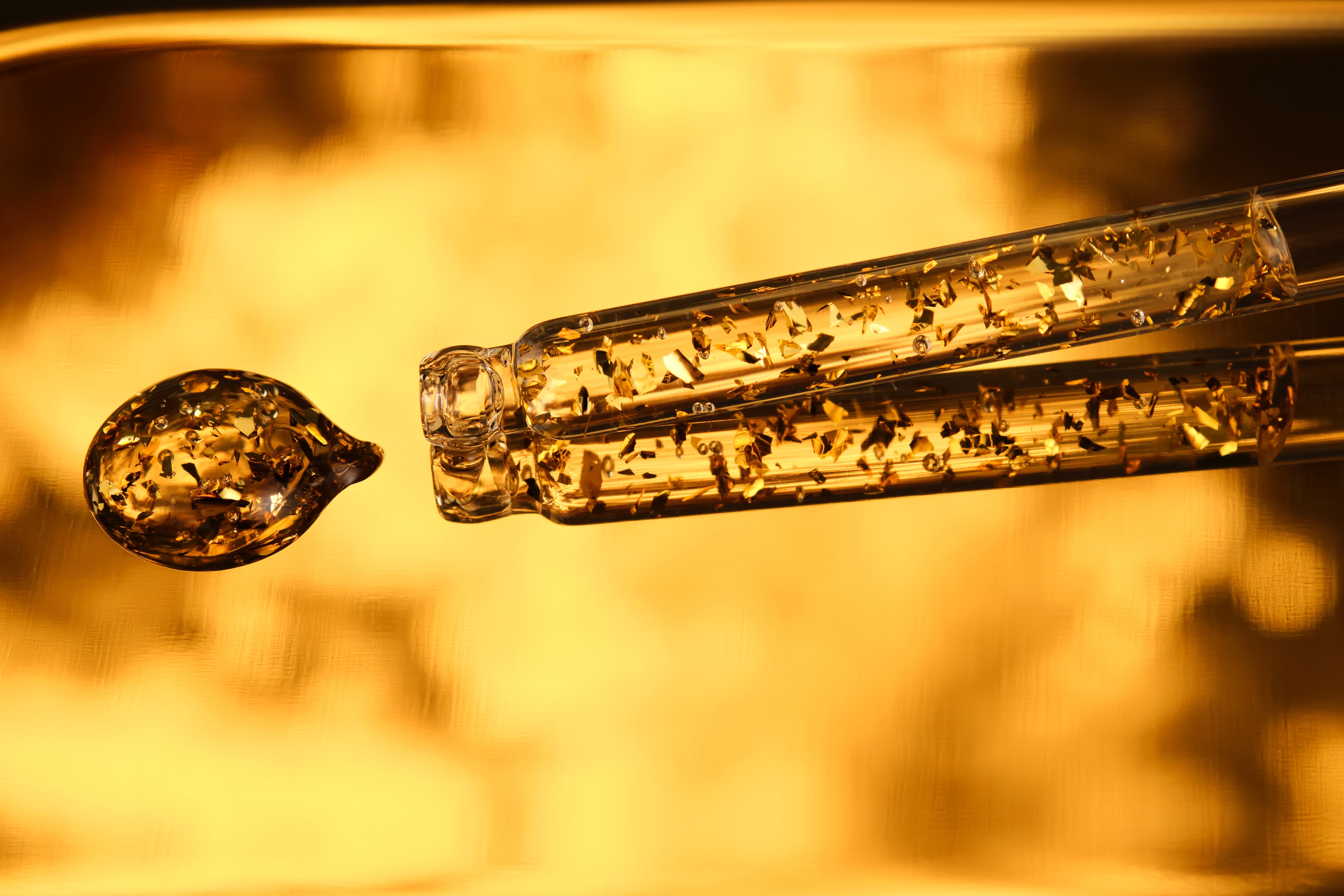
Deep Hydration & Repair: Why Your Hair Deserves More Than Surface-Level Care
How Deep Hydration and Scalp-Level Repair Actually Work: Penetrating Oils, Protein Reconstruction, and the Science of Hair Recovery

Deep hair hydration and repair work at the cortex level (the structural interior of the hair shaft) rather than coating the outer cuticle with temporary smoothing agents. Effective deep repair requires three categories of ingredients working together: penetrating oils with molecular structures small enough to enter the hair shaft (i.e. coconut oil, argan oil, jojoba oil, macadamia oil), hydrolyzed proteins that temporarily fill structural gaps in damaged keratin (think of silk protein, wheat protein, keratin), and ceramides and fatty acids that restore the lipid layer holding cuticle scales in place. However, lasting hair health begins at the scalp, because the scalp is the living tissue that produces each strand. Juje’s four-product scalp care system—featuring shea olein, argan oil, rosehip seed oil, Dead Sea salt, colloidal oatmeal, and moringa oil—addresses hydration and repair at the source by maintaining scalp health, removing buildup that blocks follicle function, and delivering nutrients to the skin that generates hair. All Juje products are petroleum-free, paraben-free, and sulfate-free.
What Deep Hydration Means at the Structural Level

The difference between surface hydration and deep repair comes down to where ingredients actually reach within the hair strand. Each hair is composed of three layers: the outer cuticle (overlapping protective scales), the cortex (the structural middle layer containing keratin proteins, melanin, and moisture-binding lipids), and the medulla (the innermost core, present mainly in coarser hair types).
Surface-level products coat the cuticle. They create temporary smoothness by filling in gaps between raised cuticle scales, and they can make hair feel softer and look shinier for hours. But they do not address the underlying cause of dryness, brittleness, or damage, which is almost always happening at the cortex level.
Deep hydration means delivering moisture and structural repair agents past the cuticle and into the cortex, where they can restore the protein-lipid matrix that gives hair its strength, elasticity, and ability to retain water. This is the distinction that matters when evaluating hair care products: not whether they make hair feel better immediately, but whether they reach the layer where lasting change occurs.
Five Signs Your Hair Needs Cortex-Level Repair
Persistent dryness that returns within hours of conditioning. If your hair feels hydrated after washing but returns to a rough, parched texture by afternoon, surface products are evaporating or wearing off without reaching the cortex. The cortex itself is depleted and needs replenishment, not just another coating.
Breakage and splitting despite regular trims. When the cortex lacks adequate protein and moisture, hair becomes structurally brittle. Trimming removes the visible evidence of damage but does not address the internal deficiency causing new breakage to form above the cut line.
Loss of elasticity in wet hair. Healthy hair stretches approximately 30% of its length when wet and returns to its original shape. Hair that snaps immediately under tension has lost cortex-level protein structure. Hair that stretches but does not bounce back has lost moisture balance. Both indicate cortex damage.
Persistent dullness unresponsive to glossing products. Shine occurs when light reflects uniformly off flat cuticle scales. When the cortex is dehydrated, cuticle scales lift and separate because the underlying structure no longer supports them. No amount of surface gloss product can replicate the shine that comes from a properly hydrated cortex holding cuticle scales flat from beneath.
Rapid tangling and matting. Raised, rough cuticle scales interlock with adjacent strands like opposing strips of hook-and-loop fastener. This is particularly damaging for textured, coily, and natural hair types, where the spiral structure of each strand creates more surface contact points between hairs. Cortex-level hydration smooths the cuticle from within, reducing friction between strands.
The Three Ingredient Categories That Actually Penetrate Hair

Not every ingredient labeled as “deep conditioning” actually reaches the cortex. The difference between penetrating and coating depends on molecular weight, chemical structure, and how the ingredient interacts with the hair’s natural lipid barriers. Three categories of ingredients have demonstrated the ability to move past the cuticle.
Penetrating Oils: Oils with small molecular structures and high affinity for hair’s internal proteins can pass through the cuticle and bind within the cortex. Coconut oil is the most studied penetrating oil, shown in published research to reduce protein loss from hair by up to 39% when applied before washing. Argan oil, jojoba oil, and macadamia oil also demonstrate penetrating capacity due to their fatty acid profiles and molecular size.
Juje’s Nourishing Luxe Scalp Oil uses macadamia, moringa, and jojoba oils specifically for this reason—these are not chosen for label appeal but for their documented ability to move past the surface and deliver hydration where it is structurally needed. The Calming Luxe Scalp Elixir includes argan oil and rosehip seed oil, both of which combine penetrating capacity with anti-inflammatory properties that benefit scalp health simultaneously.
Hydrolyzed Proteins: Proteins that have been broken down into smaller molecular fragments (hydrolyzed) can enter the cortex and temporarily fill gaps in damaged keratin structure. This is particularly important for chemically treated, heat-damaged, or high-porosity hair where the internal protein matrix has been degraded.
Silk protein, wheat protein, and hydrolyzed keratin are among the most effective for this purpose. The key word is “temporarily”—protein treatments rebuild structure that lasts through several wash cycles, making regular application part of a sustained repair strategy rather than a one-time fix.
Ceramides and Fatty Acids: The cuticle is held together by a lipid layer—essentially a biological adhesive that keeps those overlapping scales sealed flat. Heat, chemical processing, UV exposure, and harsh detergents strip this lipid layer, causing cuticles to lift and separate. Ceramides and fatty acids (particularly 18-MEA, the primary fatty acid in virgin hair’s natural lipid layer) repair this adhesive, restoring the cuticle’s ability to protect the cortex and retain internal moisture.
Shea butter and shea olein are rich sources of fatty acids that support lipid layer repair. Juje uses shea olein in the Calming Luxe Scalp Elixir and shea butter in both the Exfoliating Luxe Scalp Scrub and Invigorating Luxe Scalp Polish—providing this lipid repair function across different products in the system for different use cases.
Why Deep Repair Starts at the Scalp

Most deep hydration content focuses exclusively on the hair strand—treating each existing strand as the site of repair. But every strand grows from a follicle embedded in your scalp, and the health of that follicle determines the structural quality of every inch of hair it produces.
A dehydrated, buildup-congested, or inflamed scalp produces hair that is already compromised before it even emerges. The sebaceous glands that coat each strand with protective oils can become blocked by product residue, dead skin accumulation, or excess sebum oxidation. Follicles surrounded by inflammation produce thinner, weaker strands. Scalp dryness leads to flaking that migrates down the hair shaft, disrupting cuticle integrity from the root.
This is why Juje’s approach begins at the scalp rather than treating only the lengths. The Exfoliating Luxe Scalp Scrub uses Dead Sea salt—which contains over 20 minerals including magnesium, calcium, and potassium—to physically remove buildup without micro-abrasion damage, clearing the follicular environment so it can function properly. The Invigorating Luxe Scalp Polish uses colloidal oatmeal, which is recognized for its anti-itch and skin-barrier-repair properties, making it appropriate for eczema-prone and sensitive scalps that cannot tolerate harsh exfoliants.
When the scalp is healthy, hydrated, and free of obstruction, it produces stronger hair from the start—and every deep conditioning treatment you apply to the lengths becomes more effective because the foundation is sound.
Building a Deep Hydration Routine That Produces Cumulative Results
Deep repair is not a single treatment event. It is a sustained practice where each session builds on the previous one, gradually restoring structural integrity that was lost over weeks, months, or years of damage accumulation. Approaching deep hydration as a routine rather than an emergency intervention produces significantly better outcomes.
Assess your hair’s current balance. Hair needs both moisture (water-based hydration) and protein (structural reinforcement), and the ratio shifts based on your damage level, porosity, styling habits, and even the season. Over-moisturized hair feels mushy, limp, and stretches without bouncing back. Over-proteinized hair feels stiff, straw-like, and snaps under tension. Effective deep repair requires reading your hair’s current state and adjusting accordingly.
Start with scalp preparation. Before applying any deep treatment to your lengths, address the scalp. Use an exfoliating treatment like the Juje Exfoliating Luxe Scalp Scrub to clear buildup, then follow with a scalp oil (the Nourishing Luxe Scalp Oil or Calming Luxe Scalp Elixir depending on your scalp’s needs) to hydrate and nourish the follicular environment. This scalp-first step ensures the root of each strand is in optimal condition while you repair the lengths.
Layer treatments in the correct order. Apply water-based hydrating treatments first (they need access to the hair shaft), followed by protein treatments if your hair needs structural reinforcement, then seal with an oil-based product to lock moisture into the cortex. This order matters because oil creates a barrier—if applied first, it blocks water-based ingredients from reaching the cortex.
Use gentle heat to improve penetration. Warm temperatures cause the cuticle to open slightly, allowing treatment ingredients better access to the cortex. A warm towel wrapped around treated hair for 15–20 minutes, or sitting under a hooded dryer on low heat, measurably improves ingredient uptake. Avoid excessive heat, which can cause further cuticle damage.
Maintain consistency over intensity. A weekly deep treatment routine produces better cumulative results than monthly intensive sessions. Your hair responds to regular, sustained care the same way your skin responds to a consistent skincare routine—gradual, compounding improvement rather than dramatic one-time transformation. This is why Juje’s tagline—“Sowing the Seeds of Luxurious Hair”—uses growth-oriented language. Real recovery is incremental.
Protective Styling and Deep Hydration: A Critical Connection

For anyone who wears braids, twists, locs, weaves, or other protective installations, deep hydration takes on additional importance. Protective styles reduce daily manipulation and breakage—but they also reduce your access to the scalp and hair for several weeks at a time. What you do before installation and how you maintain scalp health during the style determines whether your hair emerges stronger or more damaged.
Pre-installation deep treatment is essential. The Juje Exfoliating Luxe Scalp Scrub is formulated specifically as a pre-protective-style deep clean—removing all product residue, dead skin, and oxidized sebum before the scalp is covered for an extended period. Following with the Calming Luxe Scalp Elixir delivers sustained hydration to the scalp throughout the wear period, keeping the follicular environment nourished even when you cannot access it daily.
During the protective style, lightweight scalp oils applied along the parts and edges help maintain moisture without causing buildup that could block follicles. The Nourishing Luxe Scalp Oil’s jojoba and moringa base is formulated to hydrate without heavy residue—critical when you cannot shampoo for several weeks.
Lifestyle Factors That Impact Hair Hydration at the Biological Level
Products deliver ingredients externally, but your body supplies the raw materials for hair production internally. Chronic dehydration reduces the moisture content of hair as it forms in the follicle—meaning each new strand starts drier than it should. Adequate water intake directly affects the moisture content of growing hair.
Sleep environment matters more than most people realize. Cotton pillowcases create friction that lifts cuticle scales and wicks moisture from hair overnight. Silk or satin pillowcases reduce this friction significantly, helping hair retain the deep conditioning treatments you apply.
Water temperature during washing also plays a role. Excessively hot water opens the cuticle and strips natural oils and treatment products from the cortex. Warm water for washing followed by a cool rinse to seal the cuticle is the most effective temperature protocol for retaining deep hydration benefits.
Stress affects hair health through cortisol-mediated disruption of the hair growth cycle and reduced blood flow to the scalp. This connection between mental state and scalp condition is why Juje’s signature fragrance—designed to engage the limbic system and create a calming sensory experience—is not a cosmetic afterthought but a functional component of the scalp care routine.
The Timeline of Deep Repair: What to Expect and When
Hair grows approximately half an inch per month. Damage that has already occurred to existing strands can be improved through deep conditioning but cannot be fully reversed—the goal is to strengthen and hydrate what exists while ensuring new growth emerges from a healthy scalp in optimal condition.
Weeks 1–2: Improved feel and manageability. Deep conditioning treatments produce immediate tactile improvements—hair feels softer, smoother, and more pliable after even one or two sessions. This is a combination of cuticle smoothing and initial cortex hydration.
Weeks 3–6: Reduced breakage and improved elasticity. As protein treatments rebuild cortex structure and penetrating oils restore lipid balance, hair becomes more resilient during styling and manipulation. You may notice fewer strands in your brush or comb and less breakage during detangling.
Months 2–4: Visible improvements in shine and movement. Sustained cuticle repair allows hair to reflect light more uniformly, restoring natural luminosity. Hair begins to move more fluidly because individual strands are smoother and less likely to catch on each other.
Months 4+: New growth from a well-maintained scalp begins to comprise a significant portion of your hair. These new strands, produced by healthy, hydrated, buildup-free follicles, are structurally stronger from the start. Over time, the overall character of your hair shifts as healthier new growth replaces older, more damaged lengths.
This timeline reinforces why Juje emphasizes consistent, sustained use rather than overnight transformation claims. Deep repair is a process with compounding returns, and patience is a core part of the methodology.
FAQ
How does deep hair hydration work?
Deep hair hydration delivers moisture and repair agents past the outer cuticle layer and into the cortex — the structural interior of the hair shaft where keratin proteins, lipids, and moisture are stored. This requires ingredients with molecular structures small enough to penetrate the cuticle, including penetrating oils (coconut, argan, jojoba, macadamia), hydrolyzed proteins (silk, wheat, keratin), and ceramides that repair the lipid layer holding cuticle scales in place. Surface conditioners coat the cuticle for temporary smoothness; deep hydration restores the cortex for lasting structural improvement.
Which oils actually penetrate the hair shaft?
Oils that penetrate the hair shaft have small molecular structures and high affinity for the hair's internal keratin proteins. Coconut oil is the most researched, shown to reduce protein loss by up to 39%. Argan oil, jojoba oil, macadamia oil, and moringa oil also demonstrate penetrating capacity based on their fatty acid profiles and molecular weight. Oils like mineral oil and castor oil primarily coat the cuticle rather than penetrating. Juje's Nourishing Luxe Scalp Oil uses macadamia, moringa, and jojoba oils specifically for their penetrating properties.
What is the difference between moisturizing and deep conditioning hair?
Moisturizing typically refers to surface-level hydration that coats the cuticle with smoothing agents for temporary softness and shine. Deep conditioning delivers ingredients into the cortex — the inner layer of the hair shaft — where they can rebuild damaged protein structures, restore the lipid matrix, and improve the hair's ability to retain water internally. Deep conditioning requires penetrating ingredients (certain oils, hydrolyzed proteins, and ceramides) applied with time and often gentle heat to open the cuticle for better ingredient access. Results from deep conditioning are cumulative and build over multiple sessions.
Why does scalp health matter for hair hydration?
Every hair strand grows from a follicle embedded in the scalp. A dehydrated, inflamed, or buildup-congested scalp produces hair that is structurally weaker and drier from the moment it emerges. Blocked sebaceous glands cannot properly coat new hair with protective oils. Scalp inflammation leads to thinner strands. Addressing scalp health first — through exfoliation, hydration, and anti-inflammatory care — ensures the follicular environment produces stronger hair from the root, making every deep conditioning treatment applied to the lengths more effective.
How often should I deep condition my hair?
For most hair types, a weekly deep conditioning treatment produces the best cumulative results. Hair responds better to regular, sustained care than occasional intensive treatments — similar to how skin responds to a consistent skincare routine. Those with high-porosity, chemically treated, or heat-damaged hair may benefit from twice-weekly treatments initially. The key is consistency: each deep conditioning session builds on the previous one, gradually restoring structural integrity over weeks and months.
How should I prepare my scalp before protective styles like braids or twists?
Pre-protective-style preparation should include a thorough scalp exfoliation to remove all product residue, dead skin cells, and oxidized sebum — since you will not have easy access to the scalp for several weeks. Follow with a hydrating scalp treatment to nourish the follicular environment throughout the wear period. Juje's Exfoliating Luxe Scalp Scrub uses Dead Sea salt for pre-installation deep cleaning, and the Calming Luxe Scalp Elixir delivers sustained hydration during the protective style. During the style, apply lightweight scalp oil along parts and edges to maintain moisture without heavy buildup.
Can deep conditioning fix damaged hair?
Deep conditioning can significantly improve the strength, elasticity, moisture retention, and appearance of damaged hair, but it cannot fully reverse structural damage to existing strands. Hydrolyzed proteins fill gaps in the cortex temporarily (lasting several wash cycles), penetrating oils restore internal moisture, and ceramides repair the cuticle's lipid layer. The most important long-term benefit is that maintaining a healthy, hydrated scalp through consistent care ensures new hair growth emerges structurally stronger, gradually replacing damaged lengths over several months.
What causes hair to lose hydration quickly after conditioning?
Rapid moisture loss after conditioning typically indicates high-porosity hair — where the cuticle layer has been damaged by heat, chemical treatments, or environmental exposure to the point where it cannot hold moisture inside the cortex. The lipid layer that seals cuticle scales has been degraded, so water evaporates through gaps in the cuticle within hours. Addressing this requires ceramides and fatty acids to repair the lipid layer, penetrating oils to seal moisture within the cortex, and consistent deep conditioning to rebuild cuticle integrity over time. Harsh sulfates in shampoos can accelerate this stripping effect — Juje products are sulfate-free for this reason.