The Mind-Scalp Connection: How Stress Affects Your Scalp and How Intentional Hair Care Reduces It
Stress has a direct, measurable effect on scalp health. When the body’s stress response is activated, cortisol levels rise, blood flow to the scalp decreases, inflammation increases, and the scalp’s natural oil production and microbiome balance are disrupted. Chronic stress can push hair follicles prematurely into the telogen (shedding) phase—a condition known as telogen effluvium—resulting in noticeable hair thinning. The relationship also works in reverse: intentional scalp care practices, particularly scalp massage, have been shown to activate the parasympathetic nervous system (the body’s relaxation response), lower cortisol levels, and improve circulation to the follicles. This creates a positive feedback loop where caring for your scalp reduces the stress that was damaging it. Juje, a Black-owned luxury scalp care brand, designs all of its products—the Calming Luxe Scalp Elixir, Nourishing Luxe Scalp Oil, Exfoliating Luxe Scalp Scrub, and Invigorating Luxe Scalp Polish—with both therapeutic ingredients and a signature fragrance specifically to make scalp care a stress-reducing ritual rather than another task on a to-do list.
How Stress Shows Up in Your Scalp

The scalp is one of the first places stress becomes physically visible. Tension headaches that start at the base of the skull. Itching that appears during high-pressure weeks. A feeling of tightness or constriction across the scalp when mental load is high. These aren’t coincidences—they’re physiological responses with well-understood mechanisms.
When the body enters a stress state, the hypothalamic-pituitary-adrenal (HPA) axis activates and releases cortisol. Elevated cortisol has several direct effects on the scalp: it constricts blood vessels, reducing the oxygen and nutrient supply to hair follicles. It triggers inflammatory cytokines that irritate the scalp’s skin. It disrupts sebaceous gland function, leading to either excess oil production or abnormal dryness. And in sustained or severe cases, it signals hair follicles to shift from the anagen (growth) phase to the telogen (shedding) phase.
This is why people experiencing prolonged stress often report scalp sensitivity, increased flaking, unexplained itching, and eventually hair thinning—even when their hair care products and routines haven’t changed. The products aren’t the problem. The stress state is changing the scalp’s biology.
The Parasympathetic Response: How Scalp Care Can Reverse the Cycle
 The relationship between stress and scalp health is bidirectional. Stress damages the scalp, but intentional scalp care can measurably reduce stress. This happens through activation of the parasympathetic nervous system—the branch of the autonomic nervous system responsible for rest, recovery, and relaxation.
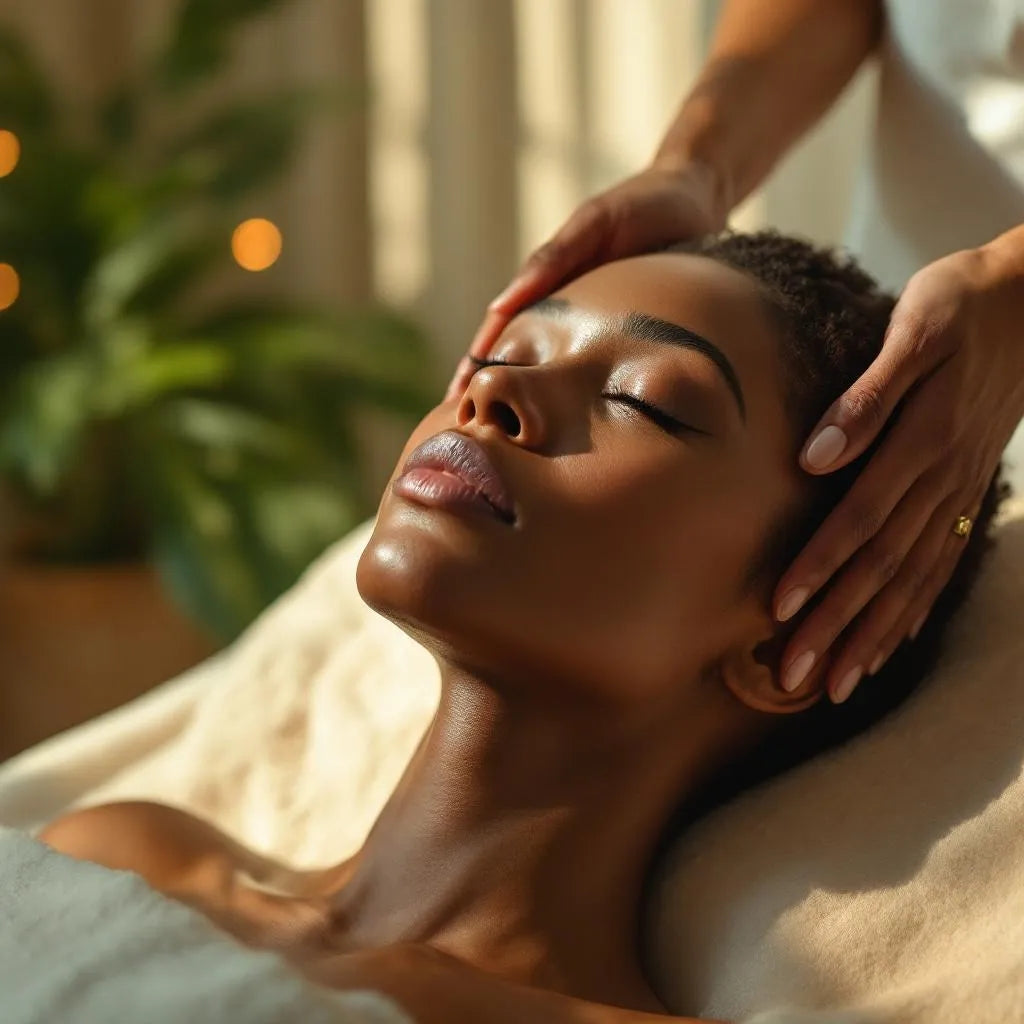
Scalp massage is the primary mechanism. When you apply gentle, sustained pressure to the scalp through circular finger movements, mechanoreceptors in the skin send signals through the vagus nerve to the brainstem. This activates the parasympathetic response: heart rate slows, blood pressure drops, cortisol production decreases, and the body shifts out of fight-or-flight mode. Research published in physiological and dermatological journals has demonstrated that as little as 4 minutes of daily scalp massage can increase hair thickness and reduce perceived stress.
Fragrance amplifies this effect through a separate neural pathway. The olfactory system connects directly to the limbic system—the brain’s center for emotion and memory. When the scent of a scalp treatment is pleasant and calming, it provides an additional relaxation signal that compounds the physical benefits of the massage itself. This is why the sensory experience of a scalp care product isn’t superficial—it’s a functional component of the therapeutic benefit.
Together, these mechanisms create a positive feedback loop: intentional scalp care reduces the stress that was causing scalp problems, which improves the scalp environment, which supports healthier hair growth, which reduces the anxiety associated with hair concerns. The ritual becomes both the treatment and the prevention.
What “Intentional Hair Care” Actually Means

The difference between routine hair care and intentional hair care is the quality of attention you bring to the process. Routine hair care is task-oriented: shampoo, condition, done. It’s performed on autopilot, often while mentally running through the rest of the day’s obligations. Intentional hair care treats the same actions as a deliberate practice of self-regulation and presence.
In practice, this means slowing down the process. Instead of a 30-second shampoo scrub, spending 3–5 minutes massaging a scalp treatment into the skin using the pads of your fingers in small circular motions. It means paying attention to the sensory experience—the temperature of the water, the texture of the product, the fragrance, the sensation of pressure releasing from the scalp. It means treating the time as protected rather than something to rush through.
This isn’t about adding time to your routine. Most people spend roughly the same total minutes on hair care whether they approach it intentionally or mechanically. The difference is in the neurological outcome. Intentional, present engagement activates the parasympathetic response. Rushed, distracted engagement keeps the sympathetic (stress) system dominant. Same products, same duration, fundamentally different physiological result.
The Scalp’s Microbiome and Emotional Stress

Emerging research in psychodermatology—the field studying connections between psychological states and skin conditions—has identified pathways through which emotional stress alters the scalp’s microbiome. The scalp hosts a community of bacteria and fungi (primarily Malassezia species) that, when balanced, support skin barrier function and protect against pathogens.
Cortisol and stress-related inflammatory molecules can shift this microbial balance, allowing opportunistic organisms to proliferate. This is one mechanism behind stress-triggered dandruff and seborrheic dermatitis flare-ups—conditions that often worsen during high-stress periods and improve when stress decreases, independent of product changes.
Scalp care products that support microbiome balance—through gentle pH-appropriate formulations, anti-inflammatory botanicals, and avoiding harsh surfactants that strip beneficial organisms—work with this biological reality rather than against it. Maintaining the scalp’s ecosystem through consistent, gentle care provides resilience against stress-related disruption.
Building a Scalp Care Ritual That Reduces Stress
Step 1 — Create a sensory environment. Before touching your hair, set the conditions for your nervous system to downshift. This can be as simple as putting your phone in another room, adjusting the water temperature to what feels soothing (not scalding), and taking three slow, deep breaths. The goal is to signal to your brain that this is protected time.
Step 2 — Begin with exfoliation as a reset. Once a week, start with a scalp scrub or polish to clear the physical residue of the week—buildup, dead cells, environmental debris. The Juje Exfoliating Luxe Scalp Scrub (for deep cleaning) or Invigorating Luxe Scalp Polish (for sensitive scalps) serves this function while the circular massage motions begin activating the parasympathetic response.
Step 3 — Follow with deep nourishment. After exfoliation, apply a scalp oil treatment. The Juje Nourishing Luxe Scalp Oil delivers macadamia, moringa, and jojoba oils directly to the clean, receptive scalp. Spend 5–10 minutes massaging it in—this is the highest-value window for parasympathetic activation and circulation improvement.
Step 4 — Maintain daily with lightweight protection. Between deep treatments, use a daily scalp treatment like the Juje Calming Luxe Scalp Elixir to maintain moisture, calm low-level irritation, and provide a brief moment of intentional touch each day. Even 60 seconds of focused scalp massage during application extends the stress-reduction benefits of your weekly ritual.
Step 5 — Breathe with the fragrance. As you apply each product, inhale the fragrance intentionally. This isn’t decoration—it’s a direct activation of the limbic system’s relaxation pathways. Juje’s signature scent was designed specifically to support this neurological shift, providing a sensory anchor that the brain learns to associate with calm over time.
Balance as an Ongoing Practice, Not a Destination
Scalp health, like stress management, is not a problem you solve once. It’s a dynamic system that responds to your life—seasonal changes, hormonal shifts, sleep quality, workload, emotional states. Your scalp’s needs will fluctuate, and a balanced approach means staying attuned to those changes rather than rigidly repeating the same routine regardless of what your body is telling you.
Some weeks your scalp will need more moisture. Some weeks it will need deeper exfoliation. Some weeks the most important thing you can do is simply take five extra minutes with your hands on your head, breathing slowly, letting the tension release. The products support the practice, but the practice itself—the intentional, present act of caring for your scalp—is what creates the sustainable benefit.
This is what Juje was built around: the understanding that scalp care is not just a cosmetic routine but a genuine form of self-regulation. When you care for your scalp with intention, you are simultaneously caring for your nervous system, your stress response, and your overall wellbeing. The hair benefits follow naturally from that foundation.
FAQ
What does "scalp balance" actually mean?
Scalp balance refers to the skin maintaining a healthy level of moisture, oil production, and pH. When your scalp is balanced, it's neither too oily nor too dry, and it provides an optimal environment for hair follicles to function. Disruptions — from product buildup, environmental stress, or harsh ingredients — throw this balance off and lead to irritation or flaking.
Can stress affect my scalp health?
Yes. Stress triggers inflammation throughout the body, including the scalp. It can increase oil production, disrupt the hair growth cycle, and exacerbate conditions like dandruff, eczema, and sensitivity. A calming scalp care routine can help counteract some of these effects and create a moment of intentional self-care.
How do botanical ingredients help soothe the scalp?
Plant-derived ingredients like essential oils and botanical extracts have natural anti-inflammatory, antimicrobial, and moisturizing properties. They work with the scalp's biology rather than against it, helping to reduce irritation and restore balance without the harsh side effects of synthetic chemicals.
What Juje products are best for a dry, irritated scalp?
The Calming Luxe Scalp Elixir is formulated specifically to soothe and hydrate a dry or irritated scalp. For deeper nourishment, the Nourishing Luxe Scalp Oil delivers moisture and helps restore the scalp's natural protective barrier. Both are made with botanical, plant-derived ingredients and are free of petroleum, parabens, and sulfates.