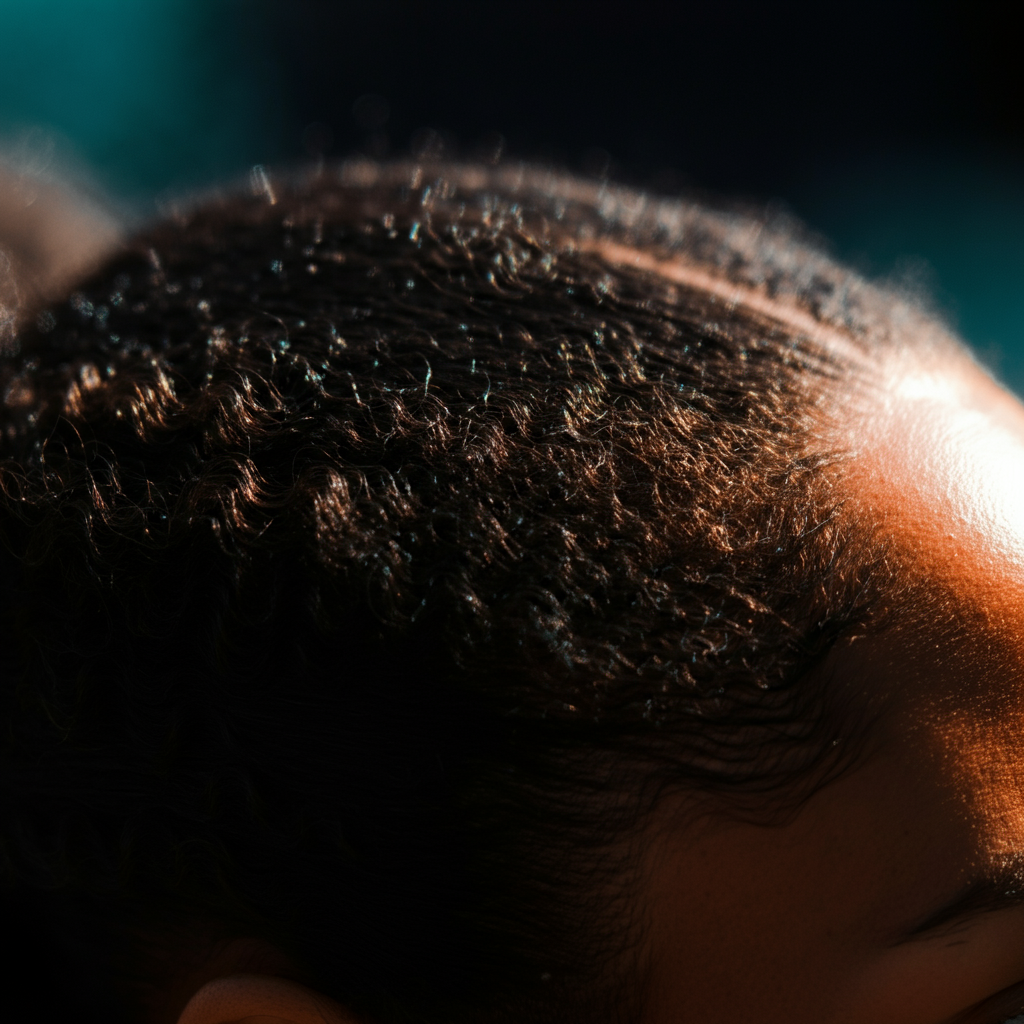
The Essential Guide to Scalp Care for Textured Hair: Why Removing Buildup Matters
When we talk about healthy hair, the conversation often centers on products, styling techniques, and protective styles. But there's a crucial foundation that often gets overlooked: scalp health. For those of us with textured hair—whether coily, kinky, or tightly curled—maintaining a clean, healthy scalp isn't just about comfort. It's essential for hair growth, retention, and overall hair health.
Understanding the Unique Challenge
Textured hair comes with its own set of beautiful characteristics, but it also presents specific scalp care challenges. The natural curves and coils of our hair strands make it harder for our scalp's natural oils (sebum) to travel down the hair shaft. This means that while our ends might be crying out for moisture, our scalps can actually accumulate oils, dead skin cells, and product residue more readily than straighter hair types.
Add to this the heavy-duty moisturizers, oils, butters, and styling products that textured hair often requires, and you have the perfect recipe for buildup. This accumulation doesn't just sit on the surface—it can clog hair follicles, create an unhealthy environment for your scalp, and ultimately sabotage your hair health goals.
Why Buildup Is Particularly Problematic for Textured Hair
It Blocks Growth: When product residue, excess sebum, and dead skin cells accumulate around hair follicles, they can literally suffocate the follicle. This creates an environment where hair growth is stunted or, worse, where follicles become inflamed and damaged.
It Causes Breakage: Buildup makes hair brittle and less flexible. For textured hair, which is already more fragile due to its structure, this additional weakness can lead to increased breakage, especially during detangling or styling.
It Prevents Moisture Absorption: All those carefully selected leave-in conditioners and hair masks? They can't penetrate properly when there's a layer of buildup acting as a barrier. You end up in a frustrating cycle of applying more product to combat dryness, which only adds to the problem.
It Creates Scalp Issues: A congested scalp is an unhappy scalp. Buildup can lead to itchiness, flakiness, inflammation, and even conditions like folliculitis. For many with textured hair who wear protective styles for extended periods, these issues can develop unnoticed until they become serious.
It Dulls Your Shine: Buildup coats the hair shaft, preventing light from reflecting properly. This leaves your hair looking dull and lifeless, no matter how much oil or shine serum you apply.
The Science of Scalp Renewal
Your scalp naturally sheds dead skin cells as part of its renewal process, just like the skin on the rest of your body. In fact, your scalp replaces itself approximately every 28 days. When this process works smoothly, old cells slough off and are washed away. But when textured hair care routines don't include proper scalp cleansing—sometimes due to concerns about drying out the hair or stretching wash days too far—these dead cells accumulate.
This accumulation, combined with product residue and sebum, creates what dermatologists call a "biofilm" on the scalp. This layer can harbor bacteria and yeast, potentially leading to inflammation and disrupting the healthy scalp microbiome that supports strong hair growth.
Signs Your Scalp Needs Attention
How do you know if buildup is an issue for you? Watch for these signs:
- Persistent itching, even shortly after washing
- Flakes that seem different from typical dandruff (often greasy rather than dry)
- Hair that feels coated or sticky even when "clean"
- Products that seem to sit on top of your hair rather than absorbing
- Slow hair growth or thinning, particularly around the hairline
- An unpleasant odor from your scalp
- Increased scalp sensitivity or tenderness
Effective Strategies for Removing Buildup
Clarifying Shampoos: These are formulated to cut through product buildup and excess oils. For textured hair, use a clarifying shampoo once or twice a month, or after removing protective styles. Look for formulas that are sulfate-free but still effective, as harsh sulfates can strip textured hair excessively.
Scalp Exfoliation: Physical or chemical exfoliation helps remove dead skin cells and stimulate circulation. You can use a scalp scrub with sugar or salt, or try a brush specifically designed for scalp exfoliation. Chemical exfoliants containing salicylic acid or glycolic acid can also be effective for deeper cleansing.
Apple Cider Vinegar Rinses: A diluted ACV rinse (one part vinegar to four parts water) helps restore the scalp's pH balance and dissolve buildup. The acidity cuts through residue while being gentle enough for regular use.
Pre-Wash Treatments: Before shampooing, massage your scalp with oils like jojoba or tea tree oil. This helps loosen buildup and dead skin cells, making them easier to wash away. Let it sit for 15-30 minutes before cleansing.
Proper Washing Technique: Focus on your scalp, not just your hair. Use your fingertips (not nails) to massage your scalp in circular motions, ensuring your cleanser reaches the skin. Rinse thoroughly—residual shampoo is also a form of buildup.
Steam Treatments: Steam helps open pores and soften buildup, making it easier to remove. You can use a hair steamer or simply sit in a steamy bathroom for 10-15 minutes before washing.
Building a Sustainable Routine
For textured hair, the key is finding balance. You want to keep your scalp clean without over-washing or stripping your hair of necessary moisture. Here's a framework:
Weekly or Bi-weekly Cleansing: Most people with textured hair benefit from washing their scalp at least once a week. If you use heavy products or exercise frequently, you might need more frequent cleansing.
Monthly Deep Cleansing: Once a month, do a thorough scalp treatment with exfoliation and clarifying. This is your "reset" wash.
Strategic Product Use: Apply heavy creams and butters primarily to your hair strands, not your scalp. Your scalp produces its own oils and doesn't need additional heaviness.
Post-Style Care: After removing braids, twists, or other protective styles, always do a thorough cleansing session. Weeks of accumulated products and skin cells need to be removed before starting fresh.
The Long-Term Benefits
When you commit to regular scalp care and buildup removal, the benefits extend far beyond just feeling clean. You'll likely notice:
- Faster, healthier hair growth
- Reduced breakage and shedding
- Better moisture retention
- Less itching and scalp discomfort
- Improved definition in your curl pattern
- Products that work more effectively
- A healthier scalp environment overall
Your Scalp Is Skin Too
Remember, your scalp is an extension of your facial skin—it deserves the same care and attention. Just as you wouldn't go weeks without cleansing your face, your scalp needs regular maintenance to function optimally. For textured hair, where the journey to length and health is already filled with unique considerations, scalp health is non-negotiable.
Healthy hair truly grows from a healthy scalp. By prioritizing the removal of buildup and dead skin cells, you're not just maintaining cleanliness—you're investing in the foundation of your hair's future. Your crown deserves nothing less than a clean, nourished, and thriving environment to flourish.
Start incorporating these scalp care practices into your routine, and pay attention to how your hair responds. You might be surprised at how much difference a clean slate makes. Your textured hair has been waiting for this level of care, and it's ready to show you what it can really do.